
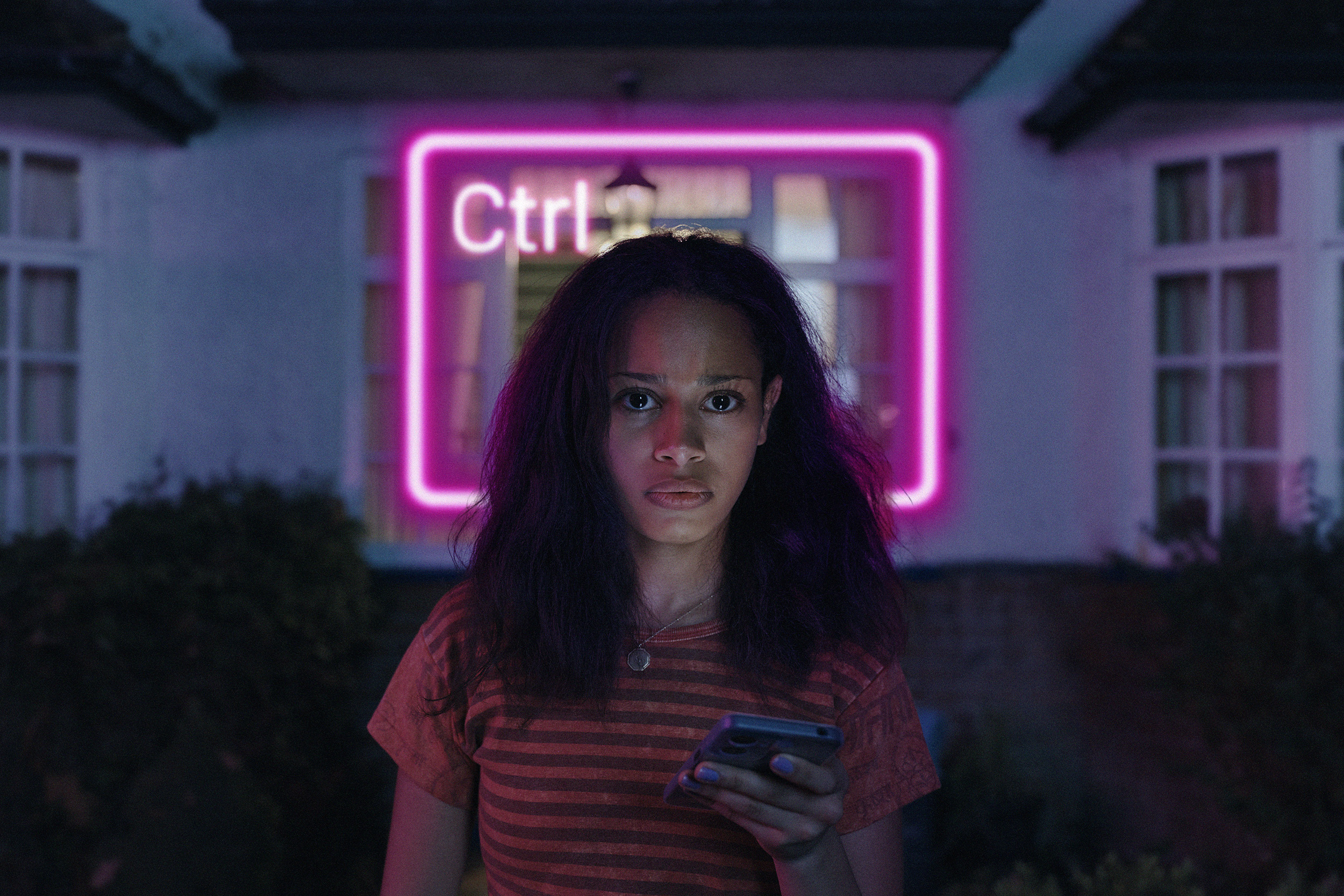

Shift Ctrl

Some threats don't stay on the screen.
For our latest campaign with NSPCC, we set out to show what online harm actually feels like. Not as a headline, or statistic – but as something that can creep into a child's everyday life, interrupting moments that should feel safe, ordinary and carefree.
The campaign, Shift Ctrl, launched as the Government's consultation on online safety entered its final stages. The timing mattered. Childline had reported a 36% increase in counselling sessions relating to online child sexual abuse and exploitation over the previous year, while reports of online harms more broadly continued to rise.
The challenge wasn't a lack of evidence. It was a lack of visibility.
Much of the damage caused by online abuse happens behind closed doors and behind screens. Parents know the internet can be dangerous, but the reality of that danger is often invisible until it's too late.
So we asked a simple question:
What if online harm didn't stay online?
The answer became a film that blurs the line between digital and physical worlds.

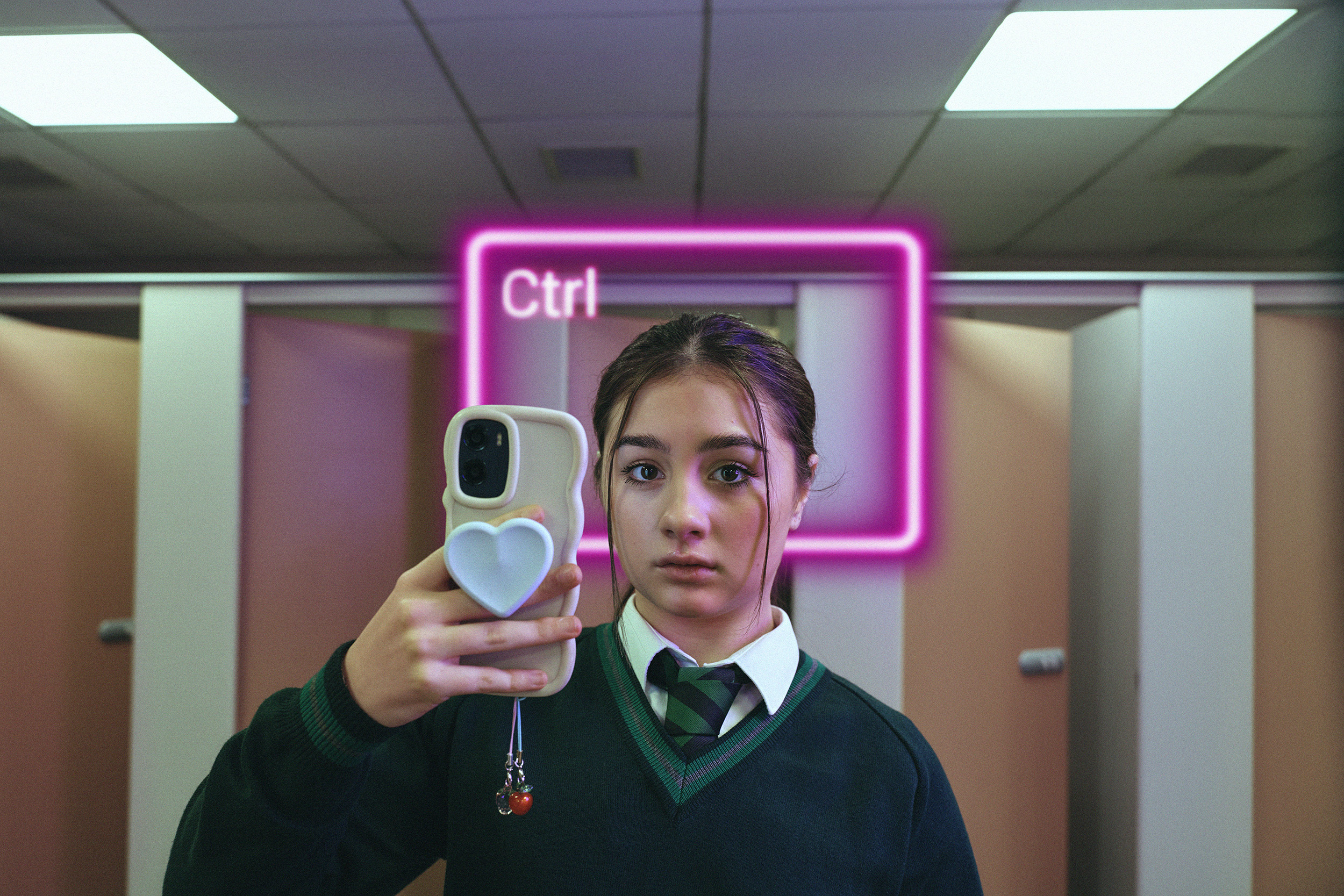
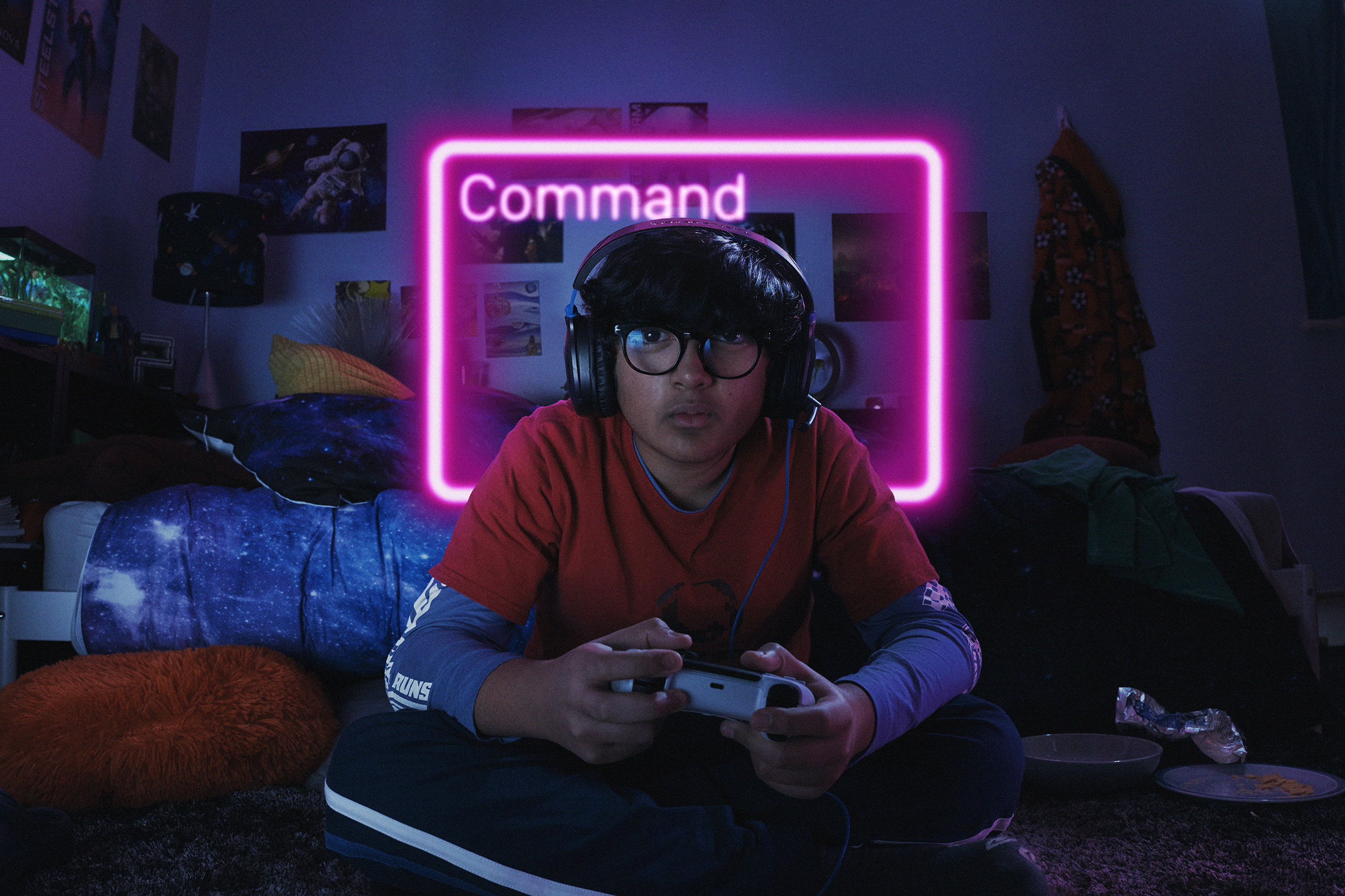
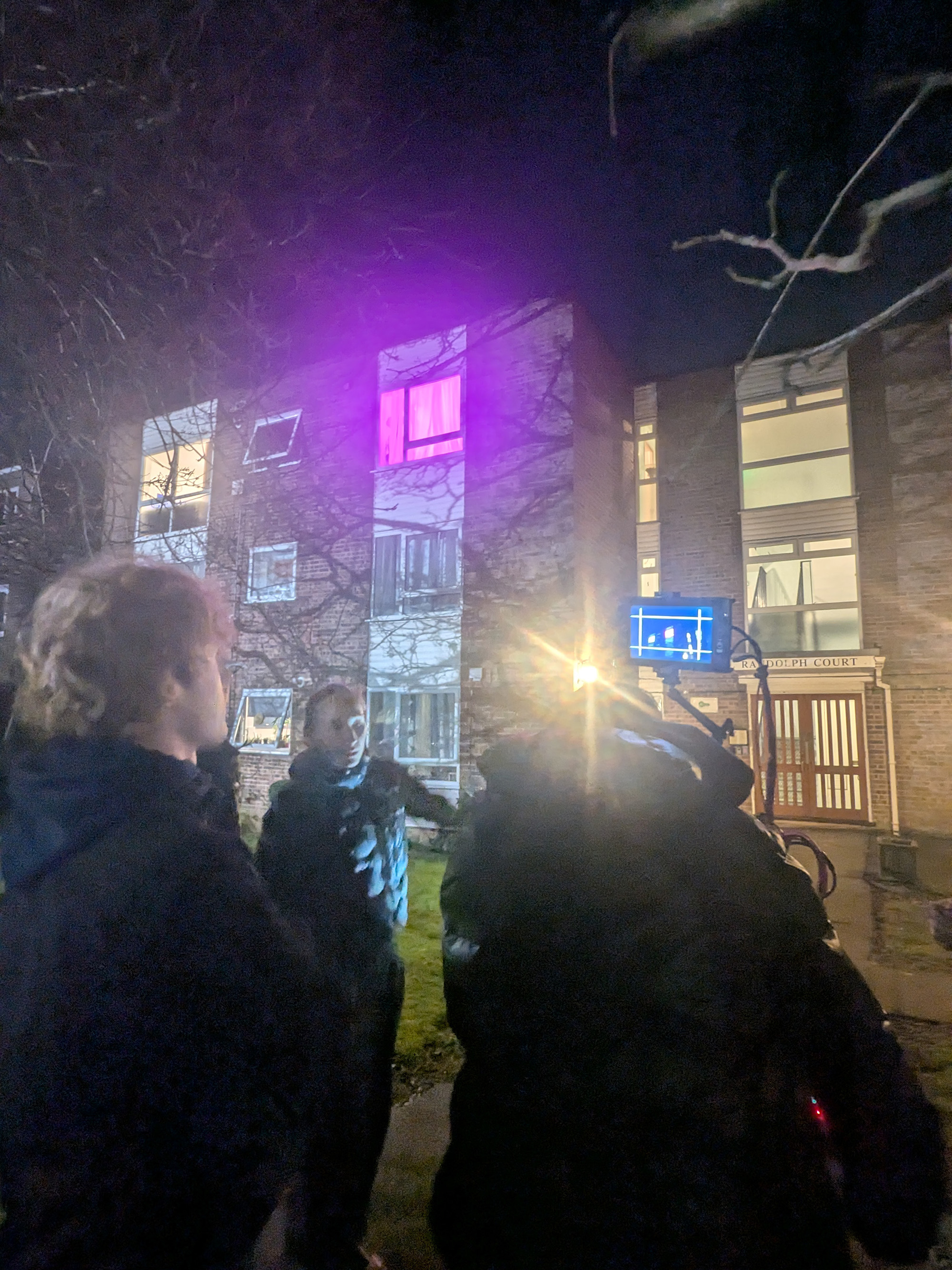
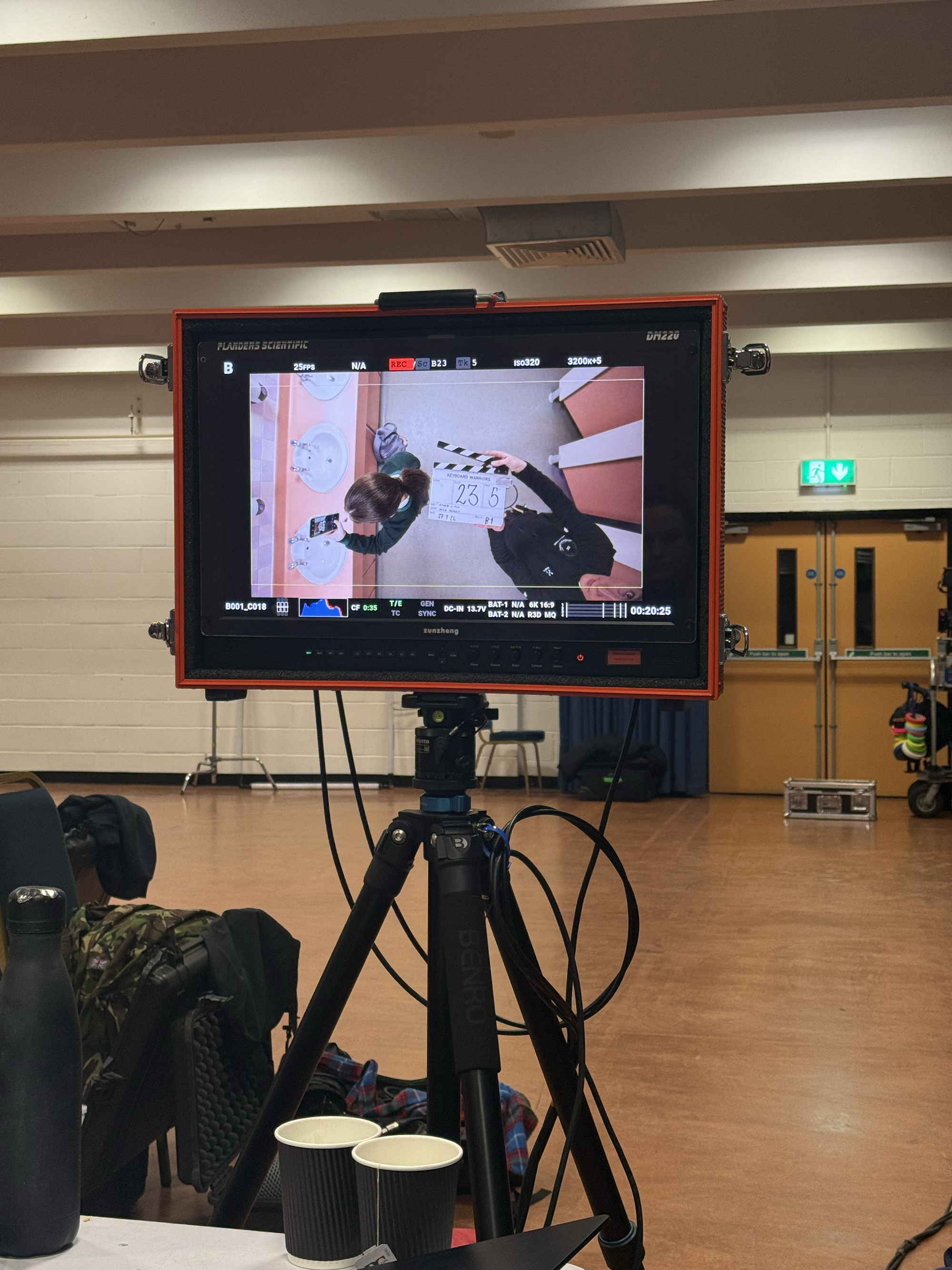
Directed by Ethan & Tom through Partizan, the film follows young people through recognisable everyday moments. But those moments are repeatedly disrupted by glowing keyboard commands that invade the real world around them. Digital threats become physical forces. The online becomes unavoidable.
We wanted to create something that felt unsettling without becoming sensational. Something grounded in the reality of children's experiences, but visually powerful enough to cut through the noise surrounding the issue.
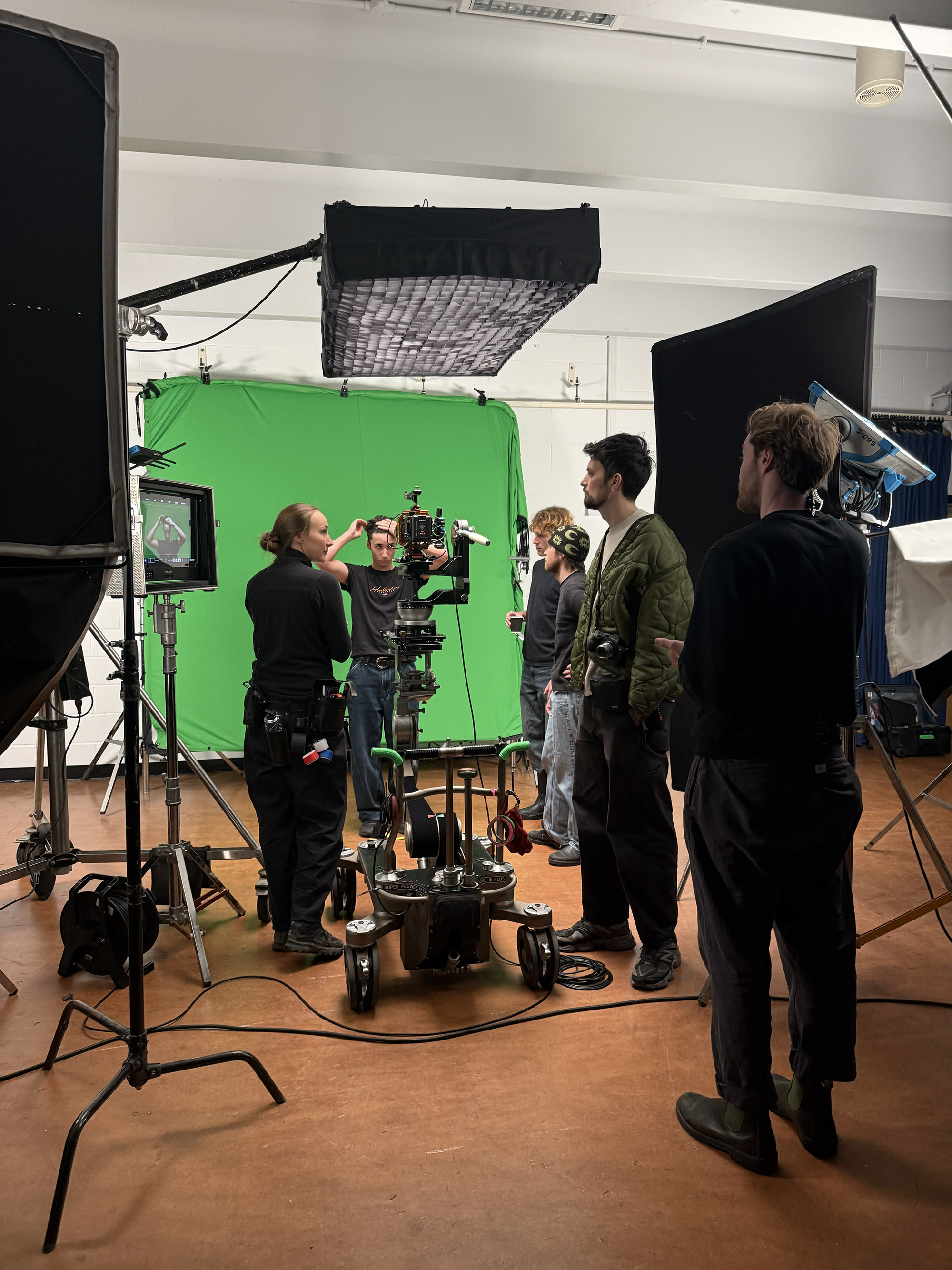
To achieve that, the team combined practical filmmaking craft with carefully integrated visual effects. Bespoke neon installations cast real light across sets. Wind, movement and environmental effects were captured in-camera wherever possible. Shot on 35mm by BAFTA-nominated cinematographer Nick Morris, the result feels tangible and human, even as reality begins to bend around the characters.
The soundtrack plays an important role too. The film opens with music from PinkPantheress before transitioning into an original score by Johnny Jewel of Chromatics, creating a gradual shift from familiar teenage life into something darker and more threatening.
For us, the creative challenge was finding a visual language that could represent ideas like coercion, manipulation and loss of control without depicting explicit harm. Science fiction and fantasy offered a way in. They allowed us to show the emotional reality of online abuse while keeping the focus firmly on the children experiencing it.
Most importantly, the film makes one thing clear: children should not be expected to navigate these dangers alone.
Because while the threats may be digital, the consequences are painfully real.
Shift Ctrl launched nationwide across cinema, streaming platforms and social media, helping NSPCC continue its call for stronger protections for children online.
Shift Ctrl
Some threats don't stay on the screen.
For our latest campaign with NSPCC, we set out to show what online harm actually feels like. Not as a headline, or statistic – but as something that can creep into a child's everyday life, interrupting moments that should feel safe, ordinary and carefree.
The campaign, Shift Ctrl, launched as the Government's consultation on online safety entered its final stages. The timing mattered. Childline had reported a 36% increase in counselling sessions relating to online child sexual abuse and exploitation over the previous year, while reports of online harms more broadly continued to rise.
The challenge wasn't a lack of evidence. It was a lack of visibility.
Much of the damage caused by online abuse happens behind closed doors and behind screens. Parents know the internet can be dangerous, but the reality of that danger is often invisible until it's too late.
So we asked a simple question:
What if online harm didn't stay online?
The answer became a film that blurs the line between digital and physical worlds.
Directed by Ethan & Tom through Partizan, the film follows young people through recognisable everyday moments. But those moments are repeatedly disrupted by glowing keyboard commands that invade the real world around them. Digital threats become physical forces. The online becomes unavoidable.
We wanted to create something that felt unsettling without becoming sensational. Something grounded in the reality of children's experiences, but visually powerful enough to cut through the noise surrounding the issue.
To achieve that, the team combined practical filmmaking craft with carefully integrated visual effects. Bespoke neon installations cast real light across sets. Wind, movement and environmental effects were captured in-camera wherever possible. Shot on 35mm by BAFTA-nominated cinematographer Nick Morris, the result feels tangible and human, even as reality begins to bend around the characters.
The soundtrack plays an important role too. The film opens with music from PinkPantheress before transitioning into an original score by Johnny Jewel of Chromatics, creating a gradual shift from familiar teenage life into something darker and more threatening.
For us, the creative challenge was finding a visual language that could represent ideas like coercion, manipulation and loss of control without depicting explicit harm. Science fiction and fantasy offered a way in. They allowed us to show the emotional reality of online abuse while keeping the focus firmly on the children experiencing it.
Most importantly, the film makes one thing clear: children should not be expected to navigate these dangers alone.
Because while the threats may be digital, the consequences are painfully real.
Shift Ctrl launched nationwide across cinema, streaming platforms and social media, helping NSPCC continue its call for stronger protections for children online.


